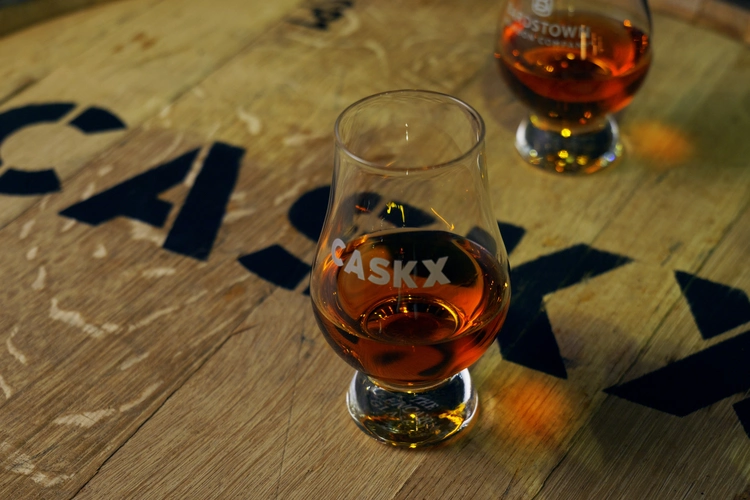

Why high-net-worth investors are allocating capital to aging American whiskey
For investors accustomed to evaluating asset classes through fundamentals, risk posture, and time horizon, bourbon has emerged as an alternative worth a closer look. What was once a niche collectible has become a structured investment category driven by supply constraints, global demand, and predictable appreciation tied directly to maturation.
At its core, bourbon behaves unlike most financial assets. It is not marked to market in real time. It does not fluctuate based on earnings cycles or interest-rate sensitivity. Its growth is governed by a physical process: the longer the spirit ages in a barrel, the more valuable it becomes. This aging curve is one of the clearest and most stable drivers of appreciation in the alternative asset space. Older whiskey commands higher wholesale and retail pricing, and the supply of long-aged barrels is structurally limited.
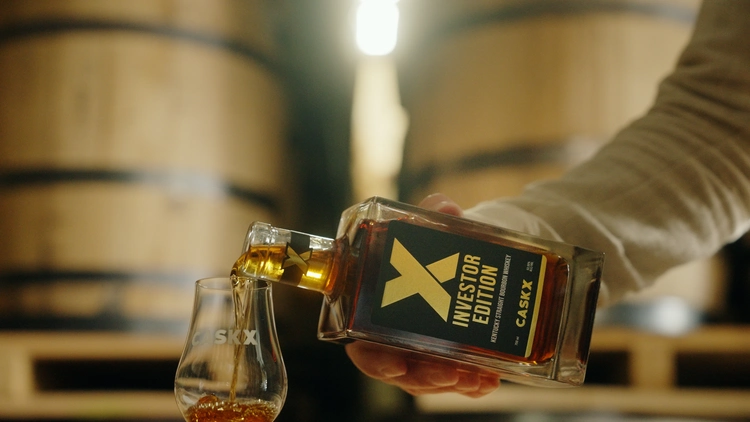
Platforms such as CaskX have formalized this market by giving accredited investors direct access to full barrels sourced from established distilleries. Their model pairs fintech infrastructure with supply-side access, allowing investors to purchase new-fill or young barrels and hold them through key value-accretion stages. By doing so, investors effectively participate in a segment of the bourbon value chain that has historically been reserved for distilleries, wholesalers, and private bottlers.
Appreciation rates vary by producer, mashbill, and warehouse conditions, but bourbon has historically demonstrated annualized growth in the low double digits during aging. Unlike venture capital or private equity, this appreciation is not dependent on operational performance. In contrast to commodities, the asset improves with age rather than degrading or facing storage decay. While any investment carries risk, bourbon’s unique characteristic lies in its alignment between time horizon and value trajectory.
Market conditions also support the thesis. Global demand for American whiskey is expanding across Europe and Asia, driven by premiumization and consumer appetite for aged expressions. Trade groups report sustained growth in exports, and supply of older barrels remains constrained due to production gaps and elevated demand from established brands. Investors who hold barrels through later-stage maturity often benefit from this imbalance between growing global appetite and limited aged inventory.
From a portfolio-construction standpoint, bourbon can serve as a non-correlated asset that complements traditional holdings. It offers tangible ownership, inflation-resistant value behavior, and a multi-year holding period that aligns with long-term wealth strategies. Exit options typically include sales to independent bottlers, emerging brands, or private buyers seeking aged inventory. Some investors also explore private-label bottling as a differentiated outcome depending on regulatory considerations.

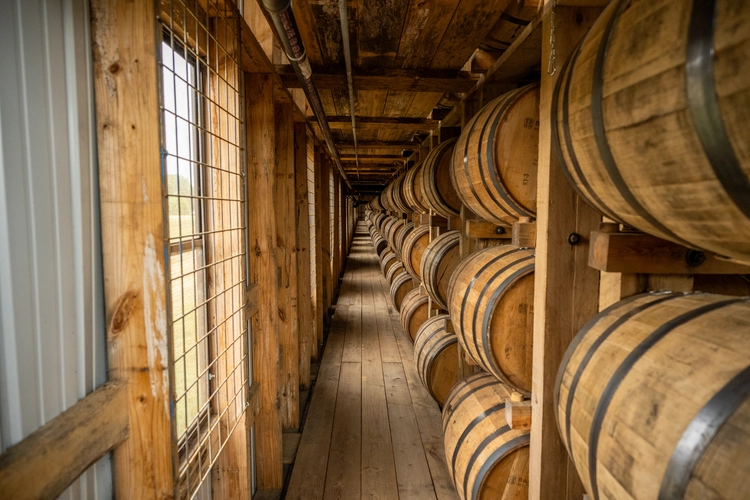
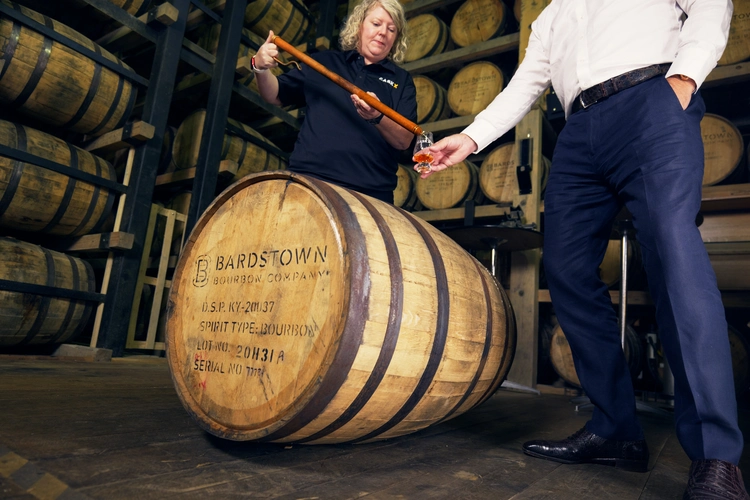
While the experiential element of visiting rickhouses and sampling barrels appeals to many investors, the core value proposition is grounded in fundamentals: finite supply, rising global demand, and a predictable aging curve. The investment is not driven by hype cycles or short-term sentiment, but by the disciplined patience of a barrel maturing over time.

As platforms like CaskX continue to create structured access and institutional-grade oversight, bourbon is solidifying its place within the broader alternative asset landscape. For investors focused on long-term, tangible, and scarcity-driven opportunities, America’s native spirit offers a compelling proposition: capital that ages into value, year after year.