

Suite Dreams Are Made of This: When Fashion Meets Five-Star Fantasy
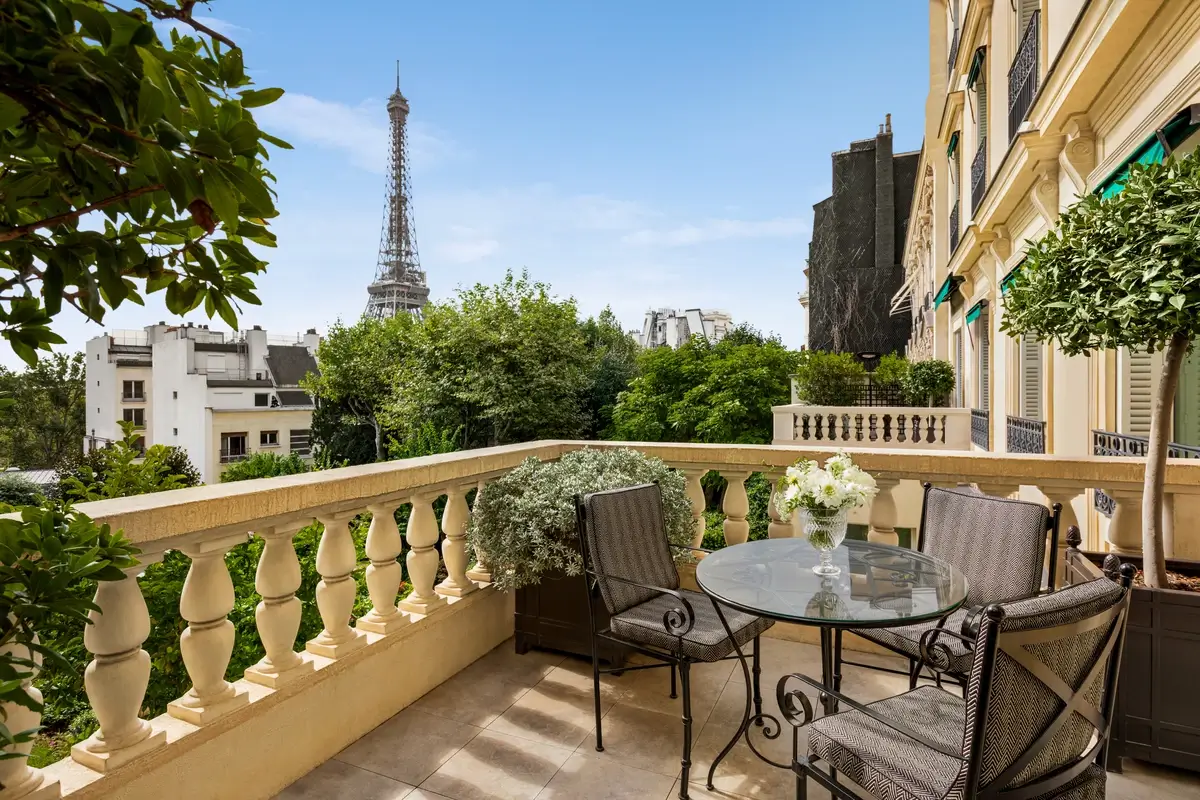
Shangri-La Paris
Luxury hotels aren’t simply places to stay these days—they’re where the cashmere jetset is seen, styled and storied. In a growing trend that weds hospitality with high fashion, posh hotels partner with brands to create immersive lifestyle experiences way beyond the suite. Today’s elite traveler can grow fatigued by piña coladas and lush poolscapes—they’re increasingly after exclusivity with cultural capital. They want a stay to look good, feel rare and say something.
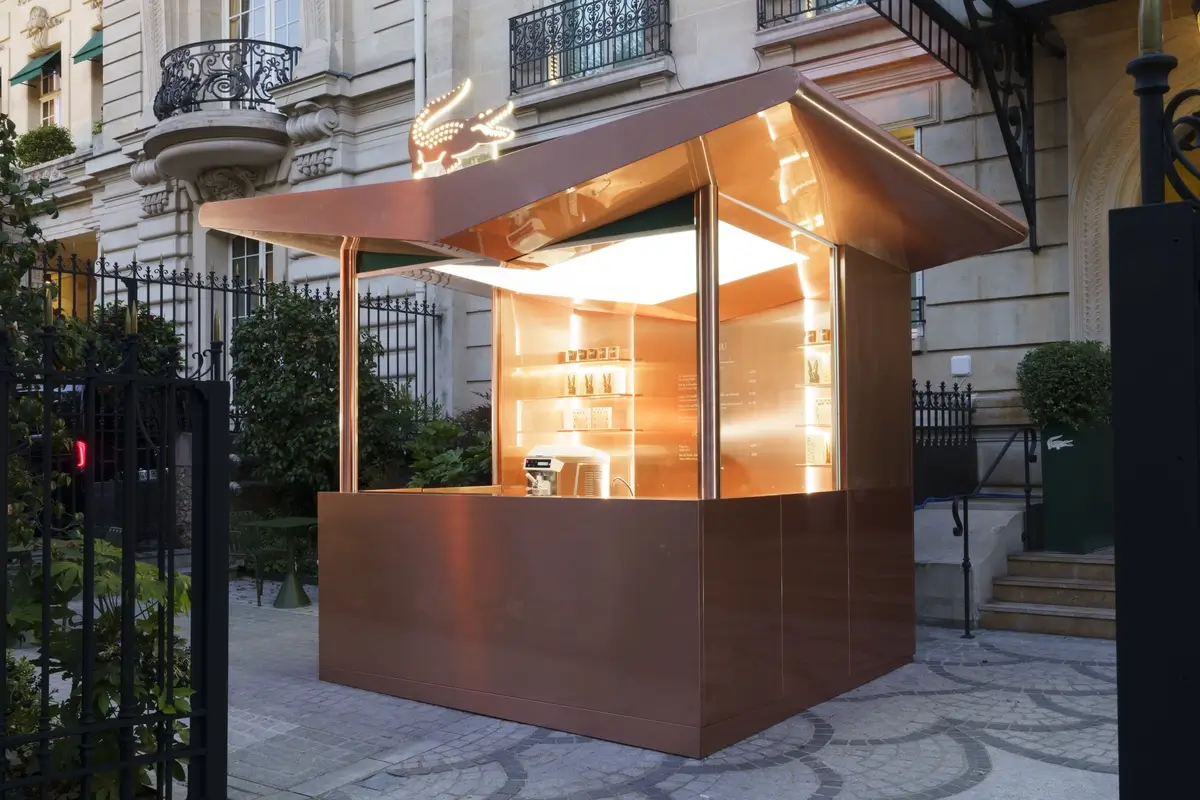
Enter Shangri-La Paris, where hospitality and fashion don’t just collaborate—they co-conspire. In a haute homage to The Paris Open, the city’s grand palace hotel sets the stage for a sport-chic spectacle. Lacoste, house of the crocodile and the court, unveiled a creative residency to the delight of Roland Garros VIPs. Stylish interlace of two cultural institutions—the Shangri-La palace once owned by Prince Roland Bonaparte and the maison that defined athletic panache—meeting on common ground to recast the language of luxury.
Venture into the hotel’s manicured gardens, where gastronomy wears a polo collar. Designed as a pop-up extension of La Bauhinia, this ephemeral, open-air experience blends haute hospitality with the crisp codes of the crocodile. A martini hints at a clay court, the olive kissed by something unexpectedly aromatic. Plating is inventive and graphic, clever nods to heritage. The menu—crafted by Shangri-La’s chefs—is bold, elegant, unmistakably Lacoste: desserts embossed in green velvet with the brand’s iconic logo.
Radiating quiet, contemporary luxury, Shangri-La Paris isn’t merely hosting Lacoste; it’s inhabiting it. And vice versa. The codes of both houses—artistry, precision, heritage—overlap with surreal perfection. Le Pavillon Lacoste blurs the line between fashion, flavor and cultural iconography. Lacoste brings the courtside cool; Shangri-La answers with palace poise.
Meanwhile, across the Channel, with ascent comes a scent. Citrus, pepper, vetiver—playing on the senses at Shangri-La The Shard, high above London. In partnering with Jo Malone CBE—under her bold, autobiographical brand Jo Loves—hotel amenities deliver a layered narrative, where fashionable fragrance plays both signature and souvenir. Chauffeured from the clouds to the cobbled calm of the Jo Loves flagship in Belgravia, guests indulge in a “fragrance tapas,” a theatrical ritual of scent, complete with cloud steam colognes, ice-shaken cleansers, whipped lotions applied with paint brushes—a backstage pass to Jo’s creative world. Back in suite, a chocolate perfume bottle by Head Pastry Chef Piero Sottile puts the cherry on top. A passage through memory, material and meaning, choreographed with an aesthetic emotional intelligence that’s become Shangri-La’s signature.
Under Area General Manager Kurt Macher, a hotelier with the daring of a cultural producer, Shangri-La’s bold collaborations with Lacoste and Jo Loves epitomize the new era of fashion-forward hospitality. “A Shangri-La stay is no longer just a chapter of a trip—it is the plot itself,” Macher remarks. “Your room key opens more than a door. It opens a portal into a moment, the kind travelers now crave.” Macher’s brand of lightning-in-a-bottle is brilliantly bespoke, dripping with personality, turning luxury into a lived moment. With his statuesque stride and glacier blue eyes, this platinum snow leopard of an Austrian delights regulars with a sartorial game so strong it could tailor a storm into submission. When he’s not yachting the Thames with VIPs, the impresario can be found holding court at GŎNG on the 52nd floor—where the skyline stuns, cocktails glint like gems, sashimi borders on transcendent, and the vision is always set a few years ahead.
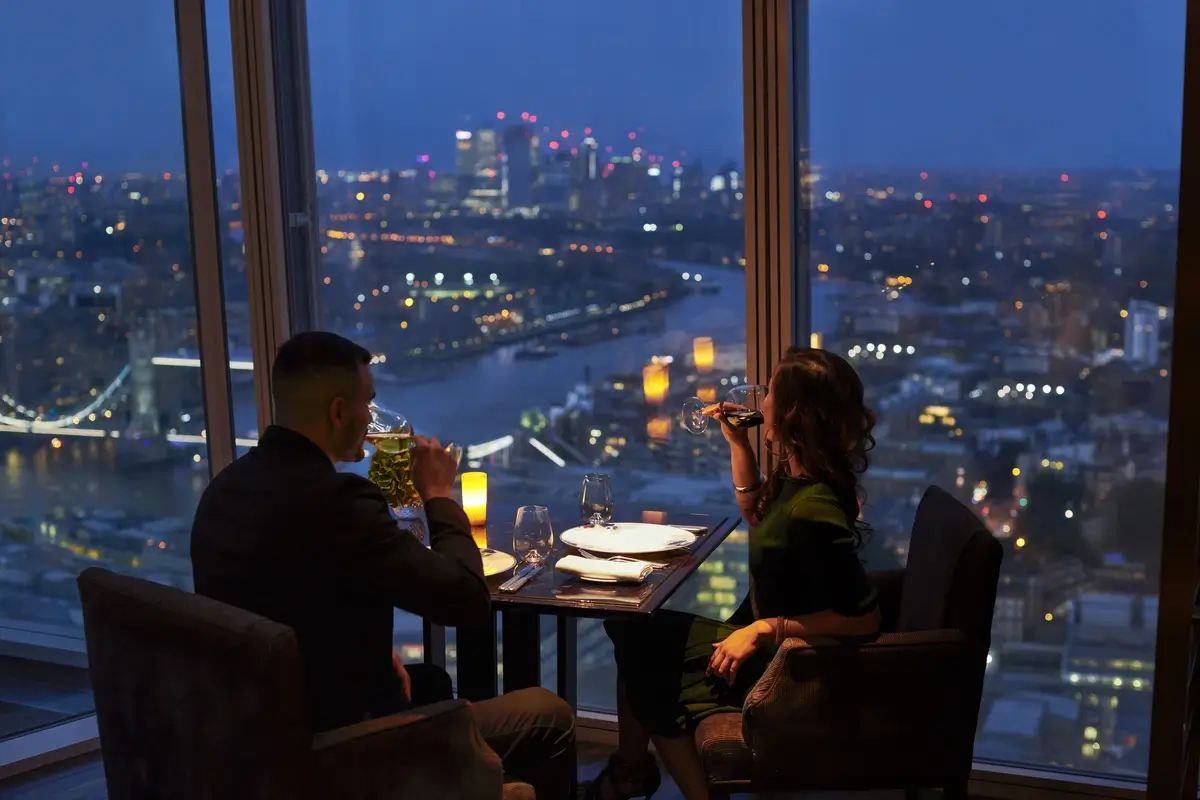
TING Restaurant, Shangri-La Hotel London
Doubling down on whimsical plotlines, Shangri-La’s Eat, Play, Love campaign—running across fourteen of its global properties—inspired by the memoir-turned-cultural-mantra, explores taste, exploration and emotional reconnection. It offers a narrative arc—giving big main character energy—as if each night booked writes the next act. “Play” in Paris plays out in a stylish Bohemian Rhapsody joyride you didn’t know you needed. Hop in a classic Citroën 2CV—entering your Godard film era—and cruise the storybook hills of Montmartre. Park and hit pause for wine and charcuterie at Montmartre Museum, living la vie bohème. The pièce de résistance? A local artist sketches your portrait en plein air in the museum’s romantic gardens.
At the summit of Shangri-La The Shard—Western Europe’s tallest hotel—the Shangri-La Suite sets the ultimate stage for “Love.” Spanning over two thousand square feet at $12,000 a night, it practically purrs. Designed by Italian superyacht masterminds Francesca Muzio and Maria Silvia Orlandini, it leverages London’s skyline like a fitted glove, all cloud atlas palette and sensual silence. The aesthetic? Think Bond girl grows up to win the Pritzker Prize. “Love” begins with a swim through the sky in the infinity pool, an ELEMIS spa indulgence, while Champagne awaits next to a rose petal sprinkled tub overlooking London like a throne. There’s a telescope for flirting with the skyline, and personalized stationery just in case inspiration—or seduction—strikes. From a soaring 1,016 feet, the city looks smaller, slower, yours.
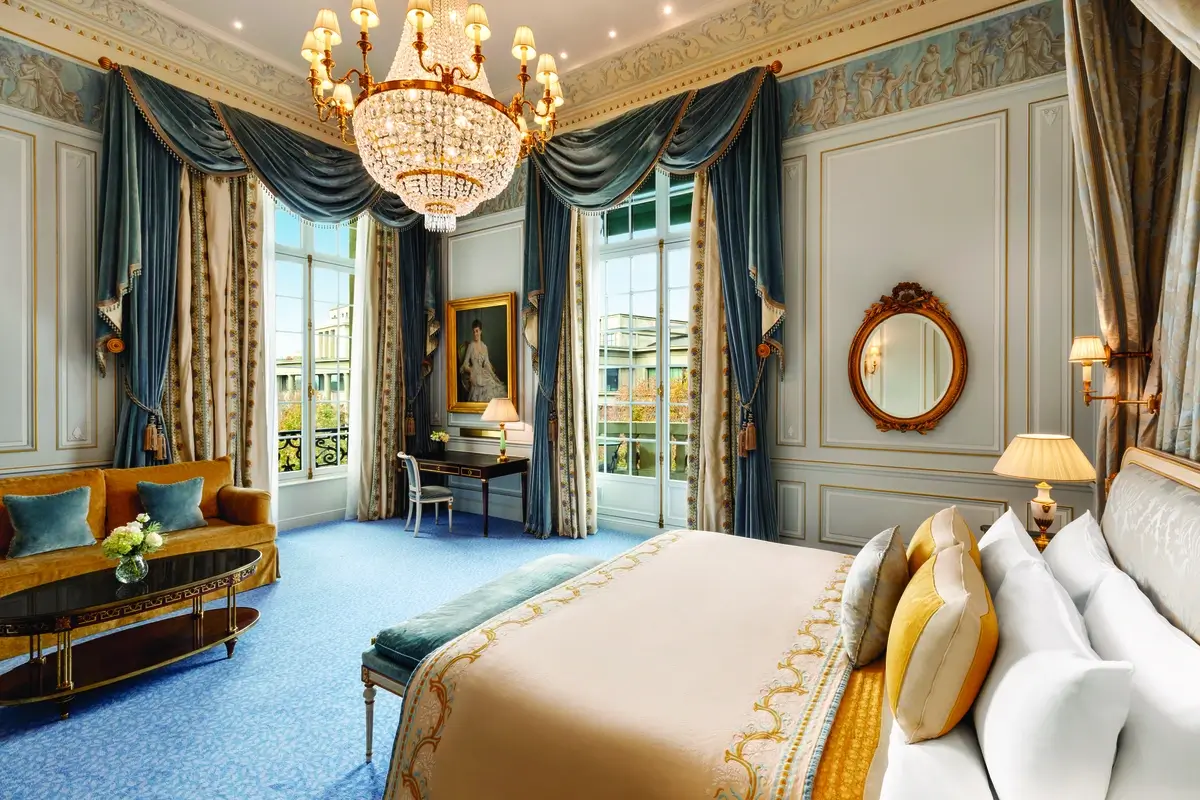
Shangri-La Paris
Ideally suited to Jetset readers, the suites offered across Shangri La’s London and Paris properties are not just among the largest accommodations in their respective cities; they’re architectural showpieces designed for travelers requiring privacy, scale and unrelenting views. The Shangri-La The Shard, London suites occupy the highest luxury space in the city; Shangri La Paris’ perch boasts Eiffel Tower skyline spectacle so close it is positively spine-tingling. Paris’ signature suites—Gustave Eiffel, Chaillot, Prince Bonaparte and Shangri La Suite—cast a spell with Directoire, Empire and Art Deco furnishings. The eponymous suite can be privatized in an entire floor takeover, a four bedroom apartment totaling 5,382 sq ft, ideal for discreet, high net worth gatherings.
Other noteworthy takes on the fashion-forward hotel trend include The Colony Hotel Palm Beach’s villa designed by Aerin Lauder, all swathed in shell pinks and polished cane, the spiritual essence of American summer wealth. Aspen’s The Little Nell welcomed Dior with its Toile de Jouy–soaked spa residency, leaving guests steeped in blooms and silk like they’d just stepped into a living fashion lookbook. Gurney’s Montauk gave Dolce & Gabbana the keys to its beach club, resulting in a Mediterranean fantasia for the camera and the cocktail circuit alike. Clearly, the current zeitgeist in travel collapses identity, art and aspiration all in one immersive stage.
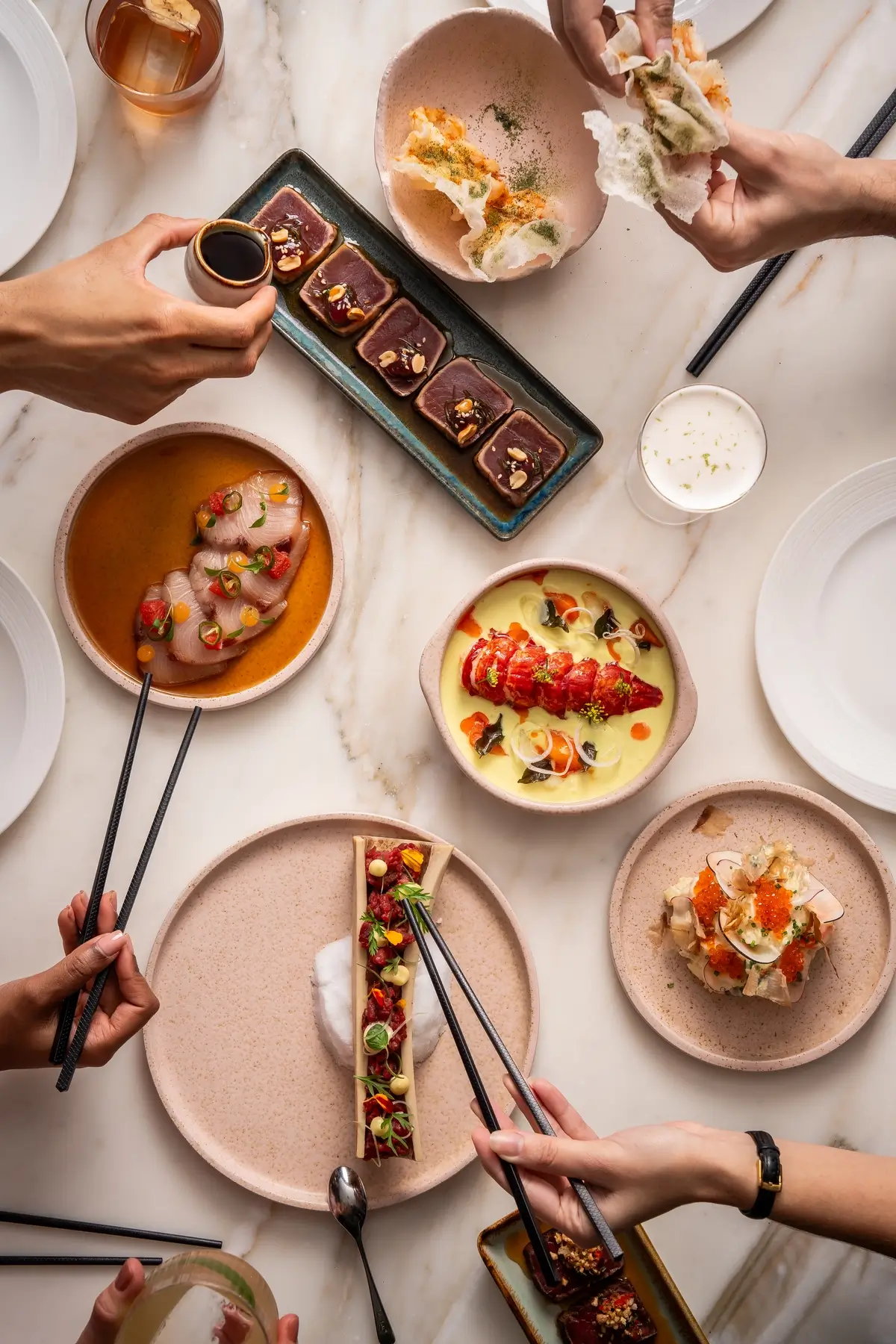
TING Restaurant, Shangri-La Hotel London
Luxury hospitality has always traded on exclusivity. Today, it’s no longer enough to offer what’s rare. It’s about what’s personal and seamless—the difference between staying somewhere and stepping inside a story that unfolds around you. There’s something alluring, addictive even, about hotels that offer such initiation rites. Once immersed, you don’t want to leave, as you’ve landed on a rather spellbinding page in your own story.
If 2024 was the year travelers demanded more meaning, 2025 shaped up to be the year they expect that meaning to mean something. Not everyone will get to star in the story, taste the Michelin magnitude, revel in the playground. That’s the point.
And for those who make it into the garden, where cocktails come with a wink? Welcome, you’ve arrived.